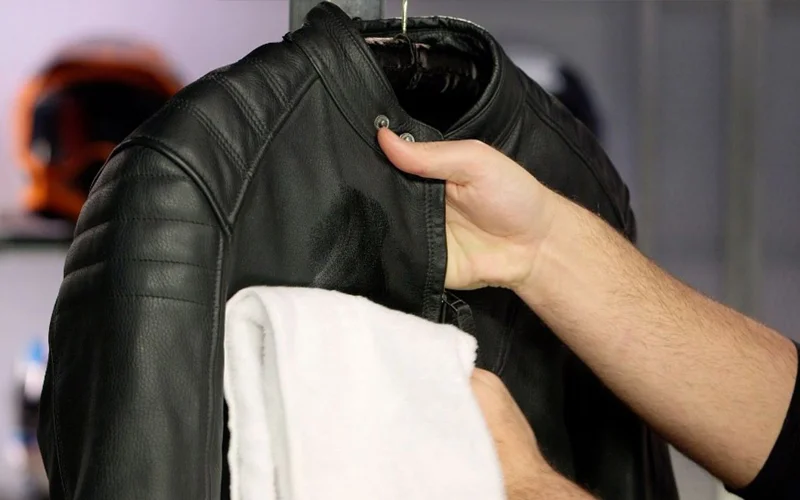
A good leather jacket can last twenty years or more, but only if you look after it. Most damage comes from three things: heat, water and neglect. This guide covers everything you need to know about caring for a leather jacket, from the first week of wear to long-term storage, with separate advice for suede, faux leather and jackets with shearling or fur.
Know what your jacket is made of
Before you clean or condition anything, check the material. Every product page on Jasperz Wear lists it, and the care label inside the jacket will say the same.
- Lambskin and sheepskin: soft, light and quick to break in. The surface is more delicate, so it scuffs and stains more easily than cowhide.
- Cowhide and goatskin: thicker and tougher. They take longer to soften but cope well with daily wear and motorcycle use.
- Suede: the inner side of the hide, brushed to a velvety nap. It marks easily and hates water.
- Faux leather (PU): a coated fabric. It needs very little care, but it can crack if it dries out or is stored folded.
Semi-aniline and aniline finishes keep more of the natural grain and feel softer, but they absorb liquids faster. Pigmented (coated) leather is more resistant but less breathable.
The first few weeks: breaking it in
A new leather jacket can feel stiff, especially cowhide. The best way to break it in is simply to wear it. Body heat and movement soften the leather and shape it to your shoulders and arms. Avoid shortcuts like soaking it in water or putting it in a dryer; both can shrink, crack or discolour the hide.
If you want to speed things up, wear it around the house for an hour or two a day, and move your arms through their full range. After two or three weeks of regular wear, most jackets feel noticeably softer.
Everyday care
Wipe it down
Dust and grime work into the grain and dry the leather out. Every couple of weeks, wipe the jacket with a soft, dry microfibre cloth. For light dirt, use a cloth that is barely damp, then let the jacket air dry at room temperature.
Hang it properly
Use a wide, padded or wooden hanger that supports the full width of the shoulders. Thin wire hangers leave dents that can become permanent. Don’t hang a heavy jacket on a single hook for weeks; the collar will stretch.
Give it room to breathe
Leather needs air. Never store it in a plastic bag or a vacuum bag. If you want a cover, use a breathable cotton garment bag.
How to condition leather
Conditioning puts back the oils that keep leather supple. Most jackets need it once or twice a year, or more often if you live somewhere hot and dry.
- Clean the surface first with a dry cloth.
- Test the conditioner on a hidden spot, such as the inside of a cuff or under the collar, and wait an hour to check for darkening.
- Apply a small amount with a soft cloth in circular motions. A little goes a long way.
- Let it absorb for 20–30 minutes, then buff off any excess.
- Leave the jacket to rest overnight before wearing it.
Don’t over-condition. Too much product clogs the pores of the leather and can leave it sticky or darker than before.
What to do if your leather jacket gets wet
A light shower won’t ruin a leather jacket. What does the damage is drying it the wrong way.
- Blot off surface water with a towel; don’t rub.
- Hang it on a wide hanger at room temperature, away from radiators, heaters and direct sunlight.
- Let it dry slowly and completely, which can take a day or more.
- Once dry, apply a light coat of conditioner, because water pulls oils out of the hide.
Never use a hair dryer or tumble dryer. Fast heat makes leather shrink and crack.
Removing common stains
- Water marks: dampen the whole panel evenly with a lightly damp cloth so it dries to one even tone.
- Grease or oil: sprinkle cornflour or talc on the spot, leave it overnight to draw the oil out, then brush it off.
- Ink: don’t scrub. Take it to a professional leather cleaner as soon as possible.
- Salt marks from winter roads: wipe with a cloth dampened in a mix of water and a little white vinegar, then condition.
When in doubt, use a professional leather cleaner. Home remedies like baby wipes, household sprays or alcohol can strip the finish.
Caring for suede jackets
Suede needs a different routine. Before the first wear, treat it with a suede protector spray, which helps it shed water and stains. After that:
- Brush it regularly with a suede brush, always in the same direction, to lift the nap and remove dust.
- Use a suede eraser on small marks and shiny patches.
- Keep it out of rain. If it gets wet, blot it, let it dry naturally, then brush the nap back up.
- Never use leather conditioner on suede; it flattens and darkens the nap.
You can browse our suede jackets to see the finishes we work with.
Caring for faux leather
Faux leather is the easiest to look after. Wipe it with a damp cloth and a drop of mild soap, then dry it with a soft towel. Keep it away from heat, which can make the coating peel, and always hang it rather than folding it. Our faux leather jackets use the same patterns as our leather styles.
Jackets with shearling, fur or quilted linings
For faux shearling collars and linings, brush gently with a soft brush to keep the pile fluffy. Real shearling and real fur should only be cleaned by a specialist fur or sheepskin cleaner. Keep fur away from heat and perfume, store it in a cotton bag with space around it, and shake it out if it gets wet. Our shearling coats and fur pieces each list their exact materials.
Storing a leather jacket out of season
- Clean and condition it before you put it away; dirt left in the grain over summer can stain.
- Empty the pockets so they don’t stretch.
- Hang it on a wide hanger in a cool, dry, dark wardrobe.
- Cover it with a breathable cotton bag, not plastic.
- Check it once or twice during the season for mould, especially in humid climates.
Common mistakes to avoid
- Machine washing or dry cleaning at a regular cleaner (use a leather specialist instead).
- Drying it on a radiator or with a hair dryer.
- Storing it in plastic.
- Spraying perfume or hairspray while wearing it.
- Over-conditioning.
Quick care checklist
- Wipe with a dry cloth every couple of weeks.
- Condition once or twice a year.
- Hang on a wide, padded hanger.
- Dry slowly, away from heat.
- Use a professional for ink, deep stains, suede, shearling and fur.
Look after it like this and your jacket will soften, age and get better every year. If you’re shopping for a new one, start with our real leather jackets or design your own with our custom jacket service.
Related guides: genuine leather vs faux leather and full grain vs top grain leather.